Dry mouth (xerostomia) treatment combines several approaches including staying well-hydrated, using saliva substitutes like sprays or gels, chewing sugar-free gum with xylitol, using specialized moisturizing mouth rinses, avoiding irritants like alcohol and tobacco, adjusting medications when possible, and for severe cases, prescription medications that stimulate saliva production.
In this comprehensive guide, we’ll explore effective strategies for managing dry mouth, from simple home remedies to professional treatments. You’ll learn about the various causes of dry mouth, how to identify symptoms, practical ways to find relief, and when to seek professional help.
Living with dry mouth can be incredibly uncomfortable. The constant feeling of thirst, difficulty speaking or swallowing, and the potential impact on your dental health can affect your quality of life. Whether you’re experiencing temporary dry mouth or dealing with a chronic condition, we understand how frustrating these symptoms can be.
Let’s dive into understanding dry mouth and discovering the most effective treatments and management strategies to help you find relief.
Key Takeaways
This article will help you understand and effectively manage dry mouth:
- What dry mouth (xerostomia) is, its causes, and why treating it matters for your oral health
- Simple home remedies and lifestyle changes that provide immediate relief
- Over-the-counter products specially designed for dry mouth management
- Professional treatment options for more severe or persistent cases
- Preventive measures to protect your oral health when dealing with dry mouth
What is Dry Mouth (Xerostomia)?
Dry mouth, medically known as xerostomia (pronounced zero-STOW-me-uh), occurs when your salivary glands don’t produce enough saliva to keep your mouth wet. This condition isn’t just uncomfortable—it can actually impact your oral health and quality of life.
Normally, your mouth produces about 2-4 pints of saliva every day. This saliva serves several important functions:
- Moistens and cleanses your mouth
- Helps digest food
- Prevents infection by controlling bacteria and fungi
- Makes it easier to chew and swallow
- Enhances your ability to taste
- Provides enzymes that begin breaking down food
- Helps keep dentures securely in place
When saliva production decreases, these functions are compromised, leading to the uncomfortable symptoms and potential complications associated with dry mouth.
Symptoms of Dry Mouth
Recognizing the symptoms of dry mouth is the first step toward finding effective treatment. Common symptoms include:
- A sticky, dry feeling in your mouth and throat
- Frequent thirst
- Cracked lips and corners of the mouth
- Dry, rough tongue
- Burning sensation in the mouth
- Difficulty speaking, chewing, or swallowing
- Changes in your sense of taste
- Bad breath
- Increased need to sip water, especially during meals
- Trouble wearing dentures
- Lipstick sticking to teeth (a tell-tale sign for some)
Impact on Oral Health
Without the protective benefits of saliva, dry mouth can significantly affect your oral health:
- Increased tooth decay: Saliva helps neutralize acids produced by bacteria and washes away food particles. Without it, cavities can develop more quickly.
- Gum disease: Reduced saliva means bacteria can build up more easily along the gumline, leading to inflammation and potential periodontal disease.
- Oral infections: Conditions like thrush (oral candidiasis) become more common with dry mouth.
- Mouth sores: The protective functions of saliva help prevent irritation and small injuries to oral tissues.
- Difficulty with dentures: Saliva creates suction that helps dentures stay in place.
WARNING
Signs your dry mouth is affecting your oral health include increased sensitivity to hot/cold/sweet foods, visible changes in tooth appearance (white spots or darkening), bleeding gums when brushing, or painful sores in your mouth. If you notice these symptoms, schedule a dental appointment promptly.
Common Causes of Dry Mouth
Understanding what’s causing your dry mouth is crucial for finding the most effective treatment approach.
Medication-Related Dry Mouth
Medications are the most common cause of dry mouth, with over 500 prescription and over-the-counter medications listing it as a potential side effect.
Common medications that cause dry mouth include:
| Medication Type | Examples |
|---|---|
| Antihistamines | Diphenhydramine (Benadryl), Loratadine (Claritin) |
| Decongestants | Pseudoephedrine (Sudafed) |
| Antidepressants | SSRIs, tricyclic antidepressants |
| Blood pressure medications | ACE inhibitors, beta-blockers, diuretics |
| Pain medications | Opioids, some NSAIDs |
| Anxiety medications | Benzodiazepines |
| Muscle relaxants | Cyclobenzaprine |
| Parkinson’s disease medications | Levodopa combinations |
EXPERT TIP
If you suspect your medication is causing dry mouth, don’t stop taking it without consulting your doctor. Bring a complete list of your medications (including over-the-counter drugs and supplements) to your next appointment and discuss possible alternatives or adjustments that might help reduce dry mouth side effects.
Medical Conditions
Several health conditions can cause or contribute to dry mouth:
- Sjögren’s syndrome: An autoimmune disorder that attacks moisture-producing glands
- Diabetes: Especially when blood sugar is not well-controlled
- HIV/AIDS: Can affect salivary gland function
- Alzheimer’s disease: Both the condition and its treatments can cause dry mouth
- Stroke or nerve damage: May affect nerves that signal saliva production
- End-stage renal disease: Affects fluid balance in the body
- Cystic fibrosis: Affects all moisture-producing glands
- Rheumatoid arthritis: Often associated with Sjögren’s syndrome
Cancer treatment: Both radiation therapy to the head and neck and chemotherapy can damage salivary glands, sometimes permanently. According to the National Institute of Dental and Craniofacial Research, radiation therapy can reduce saliva production by 50-60% permanently.
Lifestyle Factors
Several everyday habits and factors can contribute to or worsen dry mouth:
- Dehydration: Not drinking enough fluids throughout the day
- Mouth breathing: Common during sleep or with nasal congestion
- Tobacco use: Smoking or chewing tobacco dries oral tissues
- Alcohol consumption: Alcoholic beverages and alcohol-containing mouthwashes have a drying effect
- Caffeine intake: Coffee, tea, and some sodas can be dehydrating
- Recreational drugs: Particularly methamphetamine (“meth mouth”) and cannabis
- Aging: While not inevitable, saliva production can decrease with age
- Stress and anxiety: Can temporarily reduce saliva flow
MYTH VS. FACT
Myth: Dry mouth is just an annoying but harmless condition.
Fact: Untreated dry mouth can lead to serious oral health problems including rampant tooth decay, gum disease, chronic bad breath, and oral infections. According to the American Dental Association, proper management is essential for maintaining oral health.
Home Remedies for Dry Mouth Relief
Many people find significant relief from dry mouth through simple home remedies and lifestyle adjustments.
Hydration Strategies
- Sip water frequently: Carry a water bottle and take small sips throughout the day
- Set reminders: Use your phone or watch to remind you to drink water regularly
- Flavor water naturally: Add cucumber, lemon, or berries if plain water becomes boring
- Use a straw: This can help direct water to dry areas of your mouth
- Track intake: Aim for 8-10 cups (64-80 ounces) of fluid daily
- Avoid gulping: Small, frequent sips are better than large amounts at once
EXPERT TIP
Room temperature water is often better for dry mouth than cold water, which can cause sensitivity in vulnerable teeth. If you have dry mouth at night, keep water by your bedside for easy access without fully waking up.
Sugar-Free Gum and Candies
Chewing and sucking stimulate saliva flow naturally. For best results:
- Choose products with xylitol, which not only stimulates saliva but helps prevent cavities
- Look for products specifically designed for dry mouth relief
- Use throughout the day, especially before speaking, eating, or social situations
- Choose sugar-free options only, as sugar can contribute to tooth decay
According to research published in the Journal of the American Dental Association, chewing sugar-free gum for 20 minutes after meals can help stimulate saliva flow and reduce decay risk.
DIY Mouth Rinses and Moisturizers
Several homemade solutions can help moisturize your mouth:
Basic Salt and Baking Soda Rinse:
- 1/4 teaspoon salt
- 1/4 teaspoon baking soda
- 1 cup warm water
- Mix until dissolved and rinse gently several times daily
Oil-Based Mouth Moisturizer:
- 1 tablespoon olive or coconut oil
- Swish gently for 1-2 minutes and spit out (don’t swallow)
- Use before bed for overnight relief
Aloe Vera Rinse:
- 2 tablespoons pure aloe vera gel (food grade)
- 1 cup water
- Mix well and rinse as needed
Humidifiers and Environmental Factors
Adding moisture to your environment can help reduce dry mouth, especially while sleeping:
- Use a cool-mist humidifier in your bedroom at night
- Aim for 30-50% humidity in your home
- Clean your humidifier regularly according to manufacturer instructions
- Consider a bedside humidifier positioned near your face
- Avoid fans blowing directly on your face while sleeping
- Use a humidifier during winter months when indoor air is typically drier
Over-the-Counter Treatments
When home remedies aren’t providing enough relief, over-the-counter products specifically designed for dry mouth can help.
Saliva Substitutes
| Product Type | Benefits | Best For | Duration of Relief |
|---|---|---|---|
| Sprays | Convenient, portable, precise application | Quick relief, on-the-go use | 30 mins – 2 hours |
| Gels | Longer-lasting, work well at night | Nighttime dryness, severe symptoms | 2-4 hours |
| Rinses | Cover all mouth surfaces, often contain fluoride | Comprehensive relief, cavity prevention | 1-3 hours |
| Lozenges/Discs | Stimulate natural saliva, slow-dissolving | Daytime use, gradual relief | While dissolving + 30-60 mins |
Look for products containing:
- Carboxymethylcellulose
- Hydroxyethylcellulose
- Glycerin
- Xylitol
- Hyaluronic acid
Avoid products with alcohol, as this can further dry your mouth.
Specialized Oral Care Products
Several oral care products are specifically formulated for people with dry mouth:
- Toothpastes: Look for options without sodium lauryl sulfate (SLS), which can irritate dry tissues, and with added moisturizers
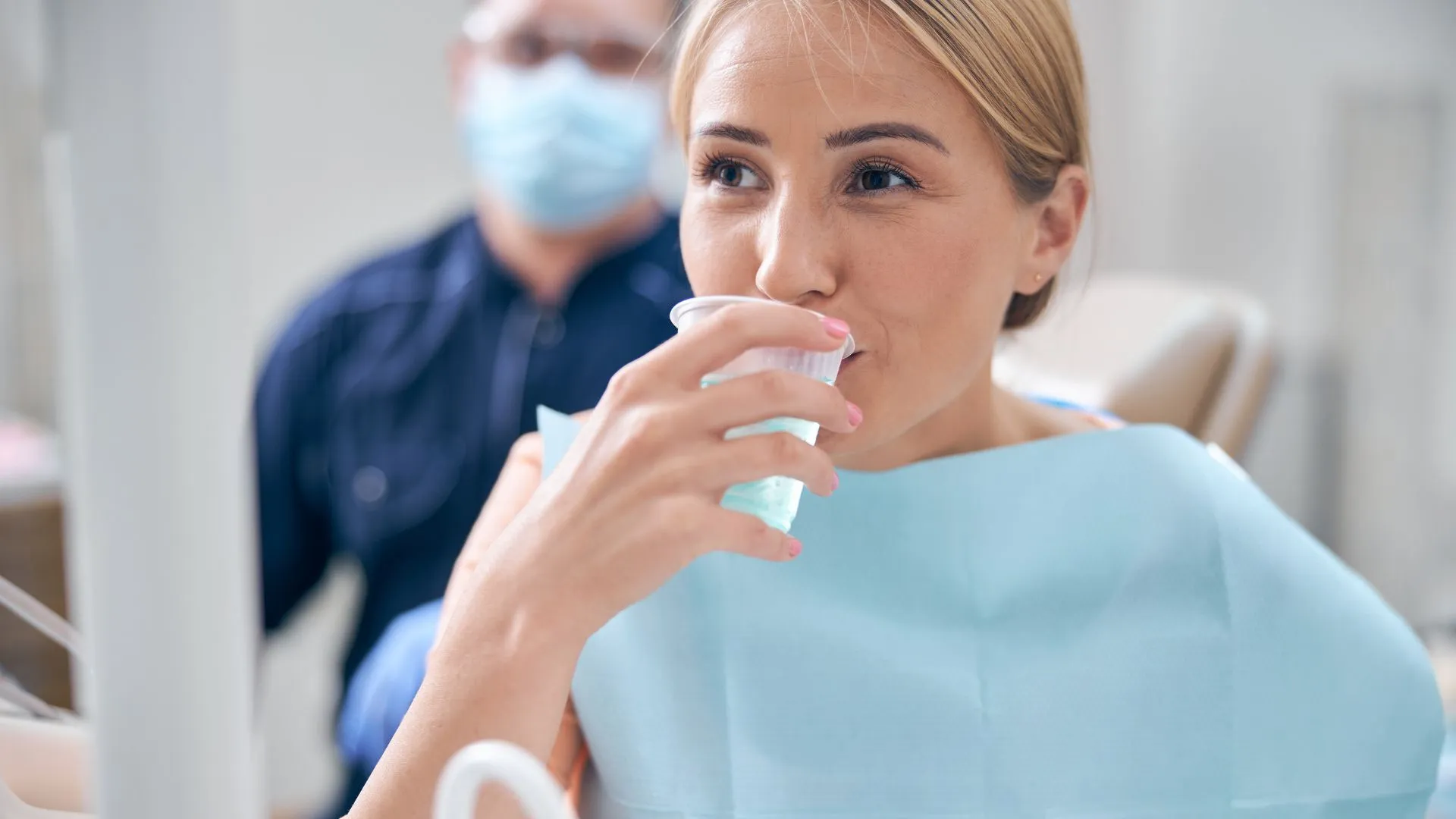
- Mouthwashes: Choose alcohol-free formulations with xylitol and additional moisturizing ingredients
- Mouth moisturizing gels: Can be applied directly to gums, tongue, and inside of cheeks before bed
EXPERT TIP
Apply mouth moisturizing gels to your tongue and inside of your cheeks before bed for overnight relief. If you wear dentures, apply a thin layer to dentures before inserting them to improve comfort.
Professional Treatments for Dry Mouth
If home remedies and over-the-counter products aren’t providing adequate relief, it’s time to consult with a healthcare professional.
Prescription Medications
For severe dry mouth, especially related to conditions like Sjögren’s syndrome, medications that stimulate saliva production may be prescribed:
- Pilocarpine (Salagen): Stimulates certain nervous system receptors to increase saliva production
- Cevimeline (Evoxac): Works similarly to pilocarpine but may have fewer side effects for some patients
These medications typically take effect within 30 minutes and last for several hours, but they aren’t appropriate for everyone. Your doctor will consider your overall health and other medications before prescribing.
Dentist-Recommended Treatments
Your dentist at Image Dental’s general dentistry practice can provide several interventions to help manage dry mouth and prevent complications:
- Prescription-strength fluoride toothpaste or gel: Contains higher fluoride concentrations to prevent cavities
- In-office fluoride treatments: Professional application of concentrated fluoride
- Prescription antimicrobial mouth rinses: Help control bacterial growth when saliva is insufficient
- Custom trays: For at-home application of prescription products
- Regular professional cleanings: More frequent dental cleanings may be recommended to prevent complications
Regular dental exams are particularly important for those with dry mouth, as your dentist can catch and address problems early before they become serious.
Lifestyle Changes to Manage Dry Mouth
Making adjustments to your daily habits can significantly improve dry mouth symptoms.
Dietary Modifications
Foods and Drinks that Help:
- Watermelon, cucumber, and other high-water-content fruits and vegetables
- Sugar-free yogurt and soft cheeses
- Broths and soups
- Frozen sugar-free popsicles
- Herbal teas (caffeine-free)
- Sugarless smoothies
Foods and Drinks to Limit:
- Salty, dry foods like crackers and chips
- Acidic fruits and juices
- Spicy foods
- Caffeine (coffee, tea, energy drinks)
- Alcohol
- Sugary foods and drinks
- Dry meats without sauces or gravies
Helpful Eating Tips:
- Take small bites and chew thoroughly
- Sip water while eating
- Add sauces, gravies, or broths to dry foods
- Use butter or healthy oils to moisten foods
- Have a beverage nearby during meals
Tobacco and Alcohol Cessation
Both tobacco and alcohol significantly worsen dry mouth symptoms:
- Tobacco reduces saliva production and irritates oral tissues
- Alcohol is dehydrating and can further reduce saliva flow
- Smoking dries out the mouth and reduces its ability to heal
According to the Mayo Clinic, quitting tobacco and limiting alcohol can lead to noticeable improvements in dry mouth symptoms, often within days of cessation.
If you’re struggling to quit, talk to your healthcare provider about cessation programs and resources.
Sleep Positioning and Breathing
Nighttime dry mouth can be particularly uncomfortable and damaging to oral health:
- Try sleeping on your side rather than your back to reduce mouth breathing
- Consider products designed to promote nasal breathing during sleep
- Address underlying causes of mouth breathing like allergies or nasal congestion
- Elevate your head slightly to reduce congestion and promote nasal breathing
- Apply mouth moisturizer before bed
- Create a dry mouth bedtime kit with: water bottle, sugar-free lozenges, mouth moisturizing gel, lip balm, and a small humidifier. Place everything within easy reach to minimize disruption if you wake up with dry mouth during the night.
Specialized Oral Hygiene for Dry Mouth
When you have dry mouth, your oral hygiene routine needs special attention to prevent complications.
Brushing and Flossing Techniques
- Brush gently: Use a soft-bristled toothbrush to avoid irritating dry tissues
- Choose the right toothpaste: Use products specifically formulated for dry mouth without harsh ingredients
- Brush thoroughly but gently: Spend at least two minutes brushing
- Pay special attention to the gumline: Where plaque tends to accumulate
- Clean your tongue: Gently brush or scrape your tongue to remove bacteria
- Floss daily: Consider waxed floss which may be gentler on dry gums
- Consider interdental brushes: These can be easier to use than string floss for some people
- Time your brushing: Wait 30-60 minutes after eating acidic foods before brushing
EXPERT TIP
Many people with dry mouth find electric toothbrushes helpful as they can provide thorough cleaning with less effort. Look for ones with pressure sensors to prevent brushing too hard on sensitive, dry tissues.
Fluoride Use and Cavity Prevention
With dry mouth, you’re at higher risk for cavities, making fluoride especially important:
- Use fluoride toothpaste with at least 1450 ppm fluoride
- Consider prescription-strength fluoride toothpaste if recommended by your dentist
- Add a fluoride mouthwash to your routine, but choose alcohol-free options
- Don’t rinse immediately after brushing—spit out excess toothpaste but avoid rinsing to maintain fluoride contact with teeth
- Ask your dentist about in-office fluoride treatments during regular dental cleanings
- Consider fluoride varnishes or custom trays for at-home use
When to See a Dental Professional
While self-care measures can help manage dry mouth, certain situations warrant professional attention.
Schedule a dental appointment if:
- Your dry mouth persists for more than two weeks
- You notice increasing tooth sensitivity or visible changes in your teeth
- You have painful mouth sores or cracked corners of your mouth
- Your dry mouth is affecting your sleep or ability to eat
- You develop white patches in your mouth (possible thrush infection)
- You notice swelling in your salivary glands
- You experience joint pain along with dry mouth and dry eyes (possible Sjögren’s syndrome)
- Over-the-counter remedies aren’t providing adequate relief
At your appointment, be prepared to discuss:
- When your symptoms started
- All medications you take (prescription, over-the-counter, and supplements)
- Medical conditions you have
- Treatments you’ve already tried
- Other symptoms you may be experiencing
WARNING
If you experience sudden severe dry mouth along with extreme thirst, frequent urination, and unexplained weight loss, seek medical attention promptly as these could be signs of undiagnosed diabetes.
Living with Chronic Dry Mouth
For those with chronic dry mouth due to medical conditions or necessary medications, these strategies can help improve daily life:
- Create dry mouth kits: Keep supplies at home, work, car, and bedside
- Set hydration reminders: Use phone apps or alarms to remind you to sip water
- Plan ahead for meals: Choose restaurants with moisture-rich food options
- Communicate with others: Let close friends and family know about your condition if it affects social situations
- Join support groups: Especially helpful for conditions like Sjögren’s syndrome
- Monitor your oral health: Check regularly for changes that might indicate cavities or other issues
- Schedule regular dental visits: More frequent checkups may be necessary
EXPERT TIP
Create a phone note with your preferred dry mouth products to share with concerned family members who might want to help but don’t know what to purchase. Include specific brand names and where to find them.
Finding Relief: Your Dry Mouth Action Plan
To effectively manage dry mouth, consider this stepped approach:
Immediate Relief (Start Today):
- Stay hydrated with frequent water sips
- Try sugar-free gum or lozenges with xylitol
- Use alcohol-free mouth rinse
- Apply lip balm as needed
Short-Term Solutions (Within 1 Week):
- Purchase OTC dry mouth products like sprays or gels
- Modify diet to avoid irritating foods/drinks
- Set up a bedside humidifier
- Create dry mouth kits for home/work/car
Long-Term Management (Ongoing):
- Schedule a dental exam to check for complications
- Discuss medication adjustments with your doctor if applicable
- Consider prescription options for severe symptoms
- Maintain rigorous oral hygiene with appropriate products
- Keep regular dental appointments for monitoring and prevention
Remember that managing dry mouth is often an ongoing process that may require adjustments as your needs or condition changes. Be patient with yourself and celebrate improvements in symptoms, even if they’re gradual.
Professional Dental Care for Dry Mouth
At Image Dental, we understand the challenges of living with dry mouth and offer specialized care to help you maintain oral health and comfort.
Our approach to dry mouth management includes:
- Comprehensive evaluation to identify underlying causes
- Customized treatment plans based on your specific needs
- Preventive care strategies to protect your teeth and gums
- Monitoring for early signs of complications
- Coordination with your other healthcare providers when needed
Regular dental checkups are particularly important when you have dry mouth. We recommend more frequent visits to ensure any potential issues are caught early when they’re easier to treat.
If you’re struggling with dry mouth symptoms, we encourage you to schedule an appointment with our team. Together, we can develop a plan to manage your symptoms and protect your oral health for the long term.
With the right combination of home care, professional treatment, and regular monitoring, dry mouth can be effectively managed, allowing you to maintain both your oral health and quality of life.